By clicking “Accept All Cookies”, you agree to the storing of cookies on your device to enhance site navigation, analyze site usage, and assist in our marketing efforts. View our Privacy Policy for more information.
Finish Strong: December Barbell Series Week 4 Focus – Squat Variations Blog Post 2: Overhead Squat — Stability, Mobility, and Total-Body Power
Finish Strong: December Barbell Series Week 4 Focus – Squat Variations Blog Post 2: Overhead Squat — Stability, Mobility, and Total-Body Power
By
December 26, 2025
Related

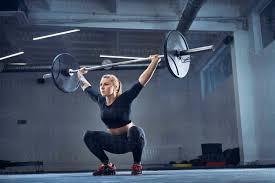
The overhead squat is one of the most challenging — and rewarding — movements in CrossFit. It demands strength, mobility, balance, and control all at once. While it may feel uncomfortable at first, mastering the overhead squat unlocks improved performance across Olympic lifts and builds resilience from head to toe.
In Week 4 of our Finish Strong December Barbell Series, we’re spotlighting the overhead squat and why it’s such a powerful tool for developing total-body strength and athleticism.
Why the Overhead Squat Matters
The overhead squat isn’t just a squat with a bar overhead — it’s a full-body assessment and builder rolled into one movement. It develops:
- Shoulder stability and mobility
- Core strength and bracing
- Hip and ankle mobility
- Balance and body awareness
- Postural control under load
If you can overhead squat well, chances are you move well everywhere else.
Key Areas of Focus
1️⃣ Shoulder Mobility & Stability
A strong overhead position requires both mobility and control.
Key elements:
- Active shoulders pressing up into the bar
- External rotation for joint safety
- Stable scapular positioning
Limited shoulder mobility often shows up as the bar drifting forward or elbows bending.
2️⃣ Core Stability
Your core is the bridge between the barbell and your lower body.
Strong overhead squats require:
- Bracing before every rep
- Maintaining rib-to-pelvis alignment
- Avoiding overextension or collapse
Without core stability, balance and depth quickly break down.
3️⃣ Balance & Body Awareness
With the load overhead, even small imbalances become obvious.
Proper balance includes:
- Bar stacked over shoulders, hips, and midfoot
- Even weight through the feet
- Controlled descent and ascent
Balance improves with consistency and patience.
Tips for Improving Depth
- Work on ankle mobility to allow knees to track forward
- Focus on sitting between the hips, not behind them
- Keep the chest tall without arching the lower back
- Use a light load to explore full depth comfortably
Depth improves as mobility and confidence improve.
Tips for Improving Stability
- Actively press the bar overhead at all times
- Engage the lats and upper back for shoulder support
- Slow down the movement to maintain control
- Pause briefly at the bottom to build strength in the deepest position
Stability is built through intentional, controlled reps.
Tips for Improving Form
- Maintain a neutral spine throughout the lift
- Keep arms locked and active
- Avoid letting the bar drift forward
- Focus on smooth, consistent movement patterns
Quality reps always outperform heavier loads with poor form.
How the Overhead Squat Supports Other Lifts
The overhead squat directly improves:
- Snatch confidence and stability
- Overhead positioning in presses and jerks
- Core control during dynamic lifts
- Movement efficiency in high-skill WODs
It reinforces the positions and strength needed to succeed in Olympic lifting and advanced CrossFit movements.
Finish Strong with Control and Confidence
The overhead squat rewards patience, consistency, and attention to detail. It’s not about loading heavy quickly — it’s about building a strong, stable, and mobile foundation that carries over to every lift.
As we wrap up Week 4 of the December Barbell Series, remember: control creates confidence, and confidence builds strength.
Finish strong.
Move with purpose.
Build strength that lasts.