By clicking “Accept All Cookies”, you agree to the storing of cookies on your device to enhance site navigation, analyze site usage, and assist in our marketing efforts. View our Privacy Policy for more information.
Finish Strong: December Barbell Series Week 5 Focus – Jerk & Press Variations Blog Post 1: Split Jerk & Push Jerk — Explosive Overhead Strength
Finish Strong: December Barbell Series Week 5 Focus – Jerk & Press Variations Blog Post 1: Split Jerk & Push Jerk — Explosive Overhead Strength
By
December 29, 2025
Related

As we close out our Finish Strong December Barbell Series, we turn our attention overhead. The split jerk and push jerkare powerful, athletic movements that demand strength, speed, coordination, and confidence. While they share the same goal—driving the bar overhead efficiently—the way they get there is very different.
Understanding when to use each jerk variation, and how to perform them well, can dramatically improve your Olympic lifts, WOD performance, and overall overhead strength.
Why Jerks Matter in CrossFit
Jerks allow you to move more weight overhead than strict pressing alone. They rely on:
- Explosive leg drive
- Strong core bracing
- Efficient transfer of power
- Stable overhead positioning
Mastering jerk variations makes you more efficient, resilient, and confident under load—especially when fatigue sets in.
Split Jerk vs. Push Jerk: What’s the Difference?
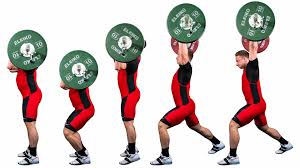
Split Jerk
- Feet move into a split stance (one forward, one back)
- Larger base of support
- Allows for heavier loads
- Requires strong footwork and coordination
- Commonly used in heavy Olympic lifting
Push Jerk
- Feet move slightly outward, landing parallel
- Requires more upright torso and balance
- Emphasizes speed and timing
- Easier to cycle in WODs
- Typically used with moderate loads
In short:
👉 Split jerk = maximum load and stability
👉 Push jerk = speed, efficiency, and repeatability
Both have a place in CrossFit programming.
When to Use Each Variation
Use the Split Jerk When:
- Lifting heavier weights
- Training Olympic lifting technique
- You need maximum stability under the bar
- Working on confidence with overhead loads
Use the Push Jerk When:
- Cycling barbells in WODs
- Using moderate weights
- Emphasizing speed and rhythm
- Training quick turnover and efficiency
Choosing the right jerk for the task improves performance and reduces unnecessary fatigue.
Key Mechanics for Strong Jerks
The Dip
- Short and controlled
- Torso stays upright
- Heels remain grounded
- Knees track forward
The dip sets up everything that follows.
The Drive
- Explosive upward extension
- Power comes from the legs, not the arms
- Think “push the floor away”
The Catch
- Bar locked out overhead
- Core braced
- Shoulders active and stable
- Feet land decisively and under control
Footwork Tips
Split Jerk
- Front foot lands flat
- Back foot stays on the ball of the foot
- Hips square to the front
- Recover front foot first, then back
Push Jerk
- Feet move slightly outward
- Land softly and simultaneously
- Maintain balance over midfoot
Footwork should be fast, quiet, and repeatable.
Timing & Efficiency Tips
- Dip and drive straight—avoid forward movement
- Punch under the bar quickly
- Lock out aggressively overhead
- Reset fully between reps to maintain consistency
Efficiency improves when technique stays clean, especially under fatigue.
Finish Strong Overhead
Jerks are the final expression of power in Olympic lifting. They reward patience, practice, and precision. Whether you prefer the split jerk’s stability or the push jerk’s speed, mastering both gives you the flexibility to perform better across all training scenarios.
As we close out our December Barbell Series, remember: strong overhead strength comes from explosive legs, disciplined mechanics, and confidence in your movement.
Finish strong.
Lift with intention.
Carry that strength into the new year. 💪