By clicking “Accept All Cookies”, you agree to the storing of cookies on your device to enhance site navigation, analyze site usage, and assist in our marketing efforts. View our Privacy Policy for more information.
🌱 Fuel From the Ground Up — Week 2 Protein & Performance: Fueling Muscle Growth, Fat Loss, and Strength
🌱 Fuel From the Ground Up — Week 2 Protein & Performance: Fueling Muscle Growth, Fat Loss, and Strength
By
March 11, 2026
Related

Protein is one of the most misunderstood nutrients in fitness, and yet it’s absolutely central to everything your body does: from repairing muscle fibers after a hard workout, to regulating energy, to helping muscles grow stronger. For active adults — whether your goal is gaining muscle, losing fat, or progressing strength skills like muscle-ups — protein is a foundational building block that can make or break results.
How much protein you need depends on your goals and how hard you’re training. Active individuals pursuing fat loss often benefit from roughly 0.7–0.8 grams of protein per pound of lean body weight, while those focused on muscle gain and strength may aim for 0.8–1 gram per pound of lean body weight. Protein plays a central role in muscle repair and growth, supports recovery between training sessions, helps stabilize blood sugar, and promotes feelings of fullness — which can be especially useful when you’re trying to lean down without losing strength.
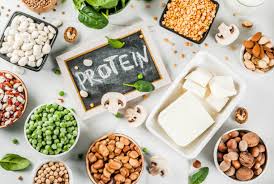
Real, whole-food protein is your best foundation. Foods like eggs, chicken, turkey, fish, lean beef, Greek yogurt, and even plant-based sources like beans, lentils, and legumes should make up the bulk of your protein intake. These sources deliver amino acids — the tiny building blocks your body uses to repair and build tissue — in forms your body knows how to use efficiently.
Protein powders are exactly that: a tool, not a replacement for whole foods. They’re convenient, especially on busy days when protein needs are high, but they shouldn’t displace quality meals.
When it comes to protein powders, the two most common categories are whey and plant-based — and your choice should depend on your goals, dietary needs, and how your body responds.
Whey protein is a dairy-derived protein that contains all nine essential amino acids and is rapidly absorbed. It’s often considered the gold standard for muscle repair and growth because of its high leucine content. Leucine is a key amino acid that “turns on” muscle protein synthesis — the process by which your body builds new muscle tissue. That rapid digestibility and full essential amino acid profile help explain why many athletes and strength-focused individuals prefer whey protein, especially post-workout when muscles crave nutrients quickly.
On the other hand, plant-based proteins — including pea, rice, soy, hemp, and blended sources — are excellent options for those who are lactose-intolerant, follow a vegan or vegetarian diet, or simply feel better digesting plant forms. Historically plant proteins lagged behind whey in terms of muscle-building efficiency because some single-source plant proteins lacked a complete amino acid profile or had lower leucine levels. Modern protein blends, however (for example, pea + rice combinations), are specifically formulated to provide all essential amino acids and can deliver similar muscle protein synthesis effects when total intake and leucine are sufficient.
There’s also a practical aspect to consider: men often benefit from whey’s rapid absorption and higher leucine content to support muscle growth and recovery when training hard, while many women find pea or blended plant proteins easier on the digestive system and gentler during periods of high training volume or caloric restriction. That’s not a hard rule for everyone — it’s about what works best with your body, training demands, and dietary preferences. Look beyond just the ingredient list, too: how a protein is processed, whether there are added sugars or artificial additives, and third-party testing for purity all matter when you choose a supplement.
Recent research in sports nutrition shows both whey and high-quality plant proteins can support strength and muscle growth effectively when total daily protein and amino acid intake are adequate. The differences aren’t binary “good vs. bad”; they’re about relative advantages and fitting the right tool to the right person.
Ultimately, the best protein strategy is simple: focus first on whole food sources, aim for consistent daily intake based on your goals, and use protein powders to help you hit your targets — not as a shortcut around real food. Prioritize quality, purposeful choices, and consistency over perfection, and you’ll see how better protein fueling supports stronger lifts, improved recovery, and better body composition.
🔗 Recommended Reading & Resources
Here are some recent and relevant resources to dig deeper into what protein really does for performance and how different sources compare:
- “Whey Protein vs. Plant Protein: Which Is Better for Muscle Growth and Recovery?” — A current overview comparing whey and plant proteins.
- “Protein and Athletic Performance: A Narrative Review” — Summarizes evidence around protein supplementation in athletes.
- “Plant vs. Animal Protein Effects on Muscle Mass and Strength: Meta-analysis” — Evidence-based look at protein sources and muscle outcomes.
- “Protein Powder Guide: Whey vs. Plant Protein for Muscle Growth” — Practical comparison of protein powder types and applications.