By clicking “Accept All Cookies”, you agree to the storing of cookies on your device to enhance site navigation, analyze site usage, and assist in our marketing efforts. View our Privacy Policy for more information.
Week 3 Focus – Snatch Variations Blog Post 2: Power Snatch & Squat Snatch — Variations for Performance and Progression
Week 3 Focus – Snatch Variations Blog Post 2: Power Snatch & Squat Snatch — Variations for Performance and Progression
By
December 18, 2025
Related

The snatch is a cornerstone of Olympic lifting in CrossFit, but how you train it matters just as much as the lift itself. Two of the most important variations — the power snatch and the squat snatch — serve different purposes, build different strengths, and play unique roles in performance and progression.
In this post, we’ll break down the differences between the two, explain when and why to use each, and share tips for progressing safely while integrating them into WODs.
Power Snatch vs. Squat Snatch: What’s the Difference?
While both movements follow the same bar path and explosive mechanics, the key difference lies in how the bar is received overhead.
Power Snatch
- Bar is caught above parallel
- Requires more upward force on the bar
- Emphasizes explosive power and speed
- Easier to cycle in WODs
- Common for newer athletes and conditioning workouts
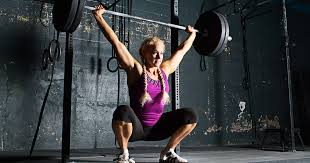
Squat Snatch
- Bar is caught below parallel
- Requires less height on the bar
- Demands greater mobility, stability, and confidence
- Allows for heavier loads
- Common in strength-focused sessions and advanced lifting
In short:
👉 Power snatch = pull higher
👉 Squat snatch = move faster under the bar
Both are valuable tools, not competing movements.
Why Train Both Variations?
Training both versions of the snatch builds a more complete athlete.
Power Snatch Benefits
- Develops explosive hip drive
- Reinforces strong pulling mechanics
- Builds confidence with lighter-to-moderate loads
- Ideal for high-rep WODs and barbell cycling
Squat Snatch Benefits
- Improves mobility and stability
- Trains speed under the bar
- Builds overhead strength in deep positions
- Allows for heavier lifting and technical mastery
Using both variations improves coordination, balance, and adaptability — key qualities in CrossFit.
Safe Progression Tips
Progressing your snatch safely requires patience, consistency, and respect for technique.
1. Master Positions Before Adding Load
Focus on:
- Balanced setup
- Smooth first pull
- Strong overhead catch
Quality reps always beat heavier weights.
2. Progress from Power to Squat
Many athletes benefit from learning the power snatch first, then transitioning to the squat snatch as mobility and confidence improve.
3. Build Mobility Alongside Strength
Consistent work on:
- Shoulders
- Thoracic spine
- Hips and ankles
Mobility unlocks better positions and safer lifts.
4. Use Partial Movements
Training from the hang, using pauses, or performing tempo reps improves control and awareness throughout the lift.
5. Respect Fatigue
Snatch variations demand precision. When technique degrades, reduce weight or volume to protect movement quality.
Integrating Power & Squat Snatches into WODs
Power Snatch in WODs
- Higher reps
- Faster cycling
- Moderate loads
- Great for conditioning-based workouts
Squat Snatch in WODs
- Lower reps
- Heavier loads
- Slower, more deliberate pacing
- Emphasizes strength and control
Coaches often program power snatches when fatigue is high and squat snatches when strength and skill are the primary focus.
Performance Through Progression
Both power snatches and squat snatches are essential tools for performance, longevity, and confidence under the bar. Rather than choosing one over the other, learning when to use each allows you to train smarter and progress more effectively.
As Week 3 continues, our goal is not perfection — it’s progress. Every rep builds coordination, strength, and belief in your ability to move well.
Finish strong.
Lift with intention.
Progress with purpose.